

On April 6, 1667, Dubrovnik was hit by the greatest natural disaster in its long history. On Holy Wednesday around 8 am, it was struck by an earthquake of estimated magnitude 7.0 on the Richter scale. Major parts of the city were destroyed and the damage most severe in the lowest, central part of Dubrovnik around the main street. Many palaces and buildings collapsed, including the old Dubrovnik Cathedral, where many people got killed during the morning Mass. Fires swept through the city for days and, to make things worse, all of the city’s water sources temporarily ran dry due to the earthquake. Ships in the town port were destroyed by the subsequent tsunami, which was another heavy blow for a town that depended on its maritime trade.
This enormous material damage was accompanied by huge population loss. It is estimated that around 2000 people lost their lives in the earthquake and the fires, a shocking number considering the fact that the population of the city was around 5000. Survivors were being rescued from the ruins for days after the earthquake. Since many members of Dubrovnik’s aristocracy lost their lives in this disaster, including the Rector of the Republic of Dubrovnik, the political and legal system also collapsed and anarchy and chaos took over. As looters plundered everything they could get their hands on, most of the surviving citizens fled the city, overwhelmed by panic and despair. Some members of the government even thought it would be best to abandon the city and build a new one on a different location. However, in the first week after the disaster, brave individuals, above all a young nobleman, Marojica Kaboga, managed to restore order. Since the city walls and forts survived with minor damage, the government decided not to abandon Dubrovnik after all, but restore it instead.
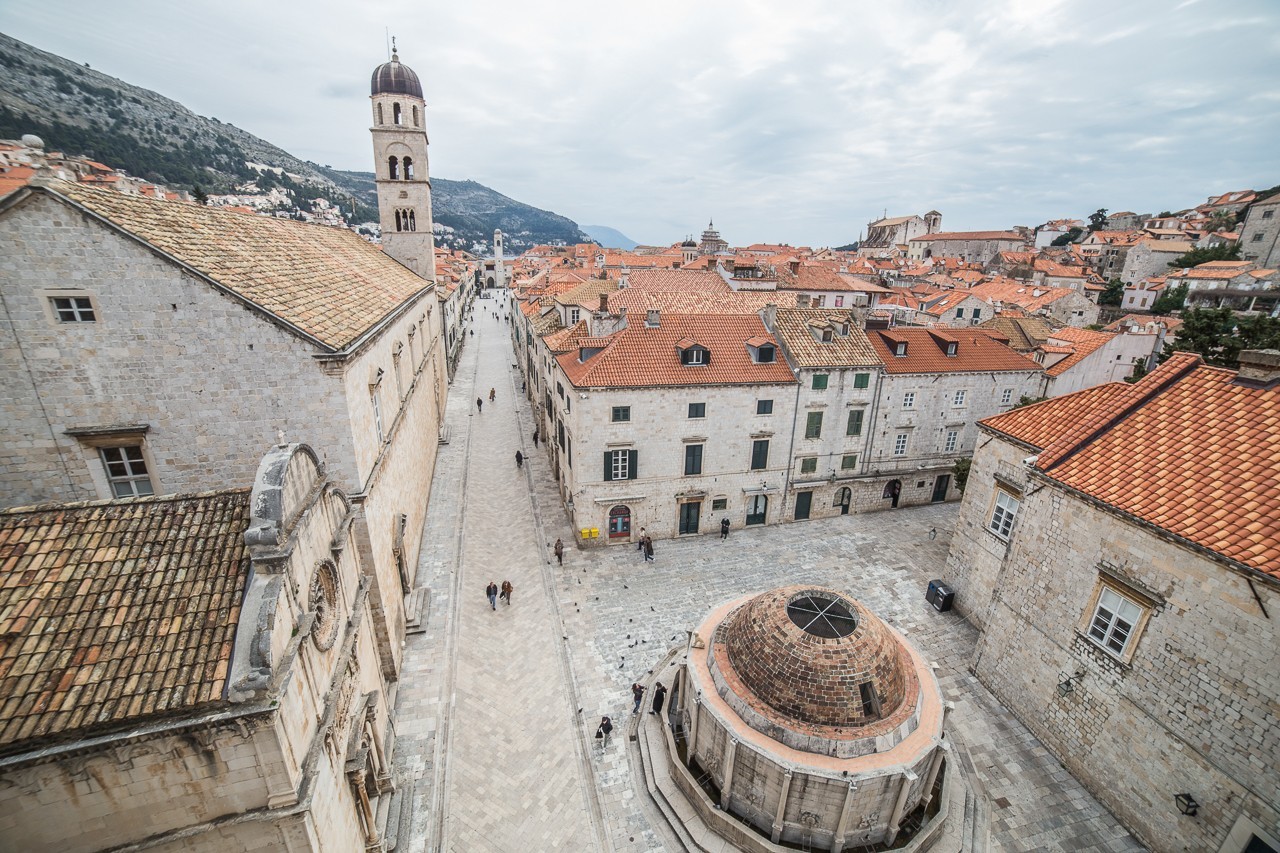
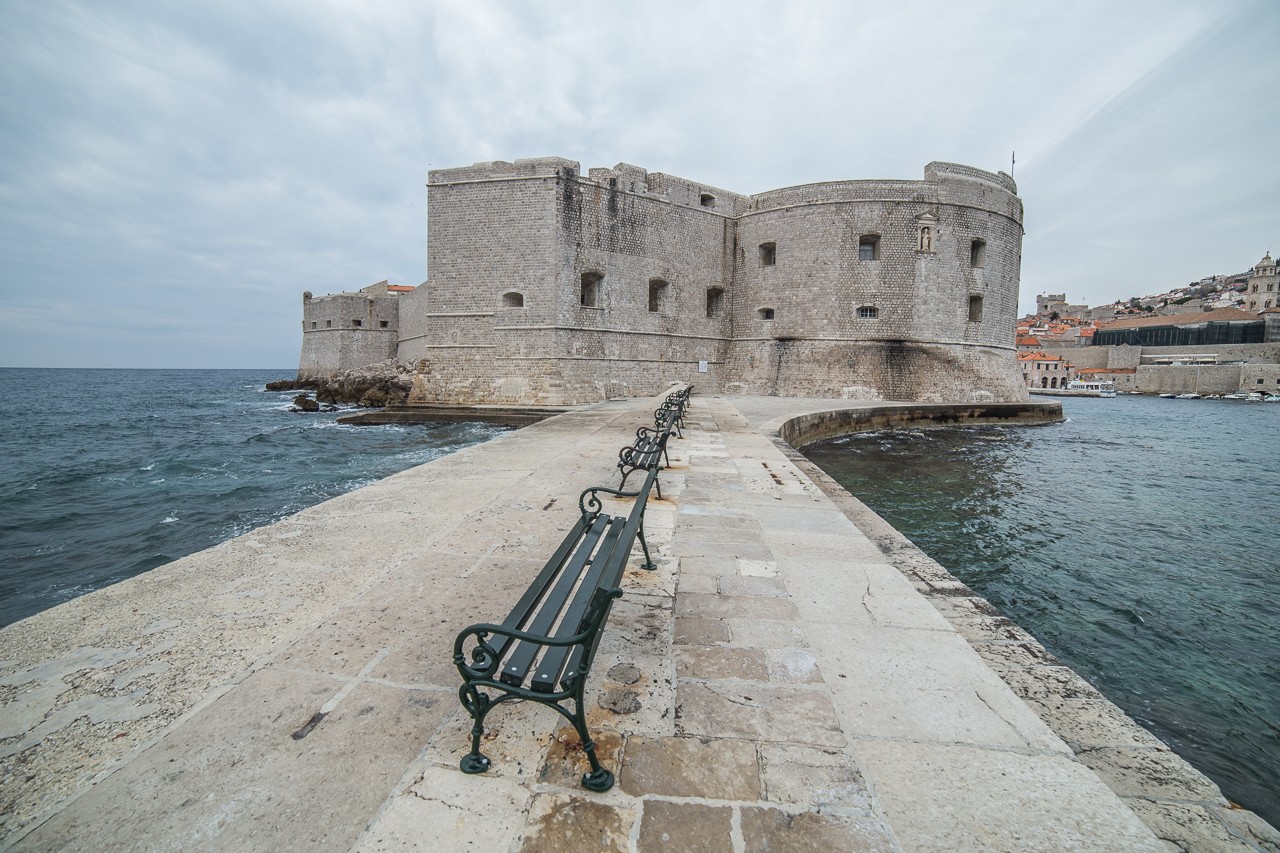
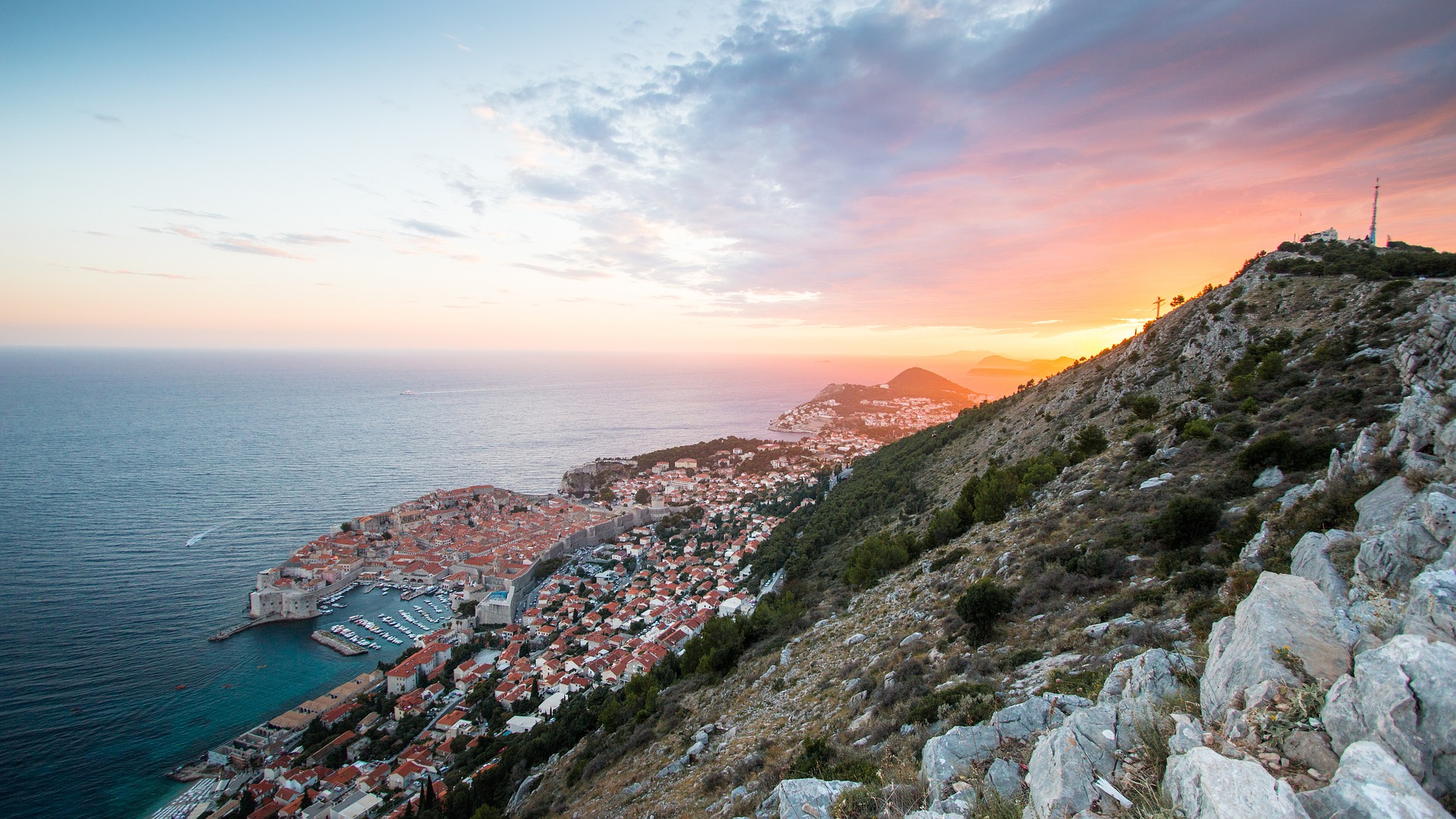
In the following decades, Dubrovnik was repaired and rebuilt and the result is the city we know today. The pre-earthquake Dubrovnik with its gothic and renaissance palaces was gone forever. It became a baroque town with uniform, sturdy buildings built to survive devastating earthquakes, with decorative elements playing only a minor role. Thanks to the combination of its ‘fortified’ buildings and massive defensive walls, Dubrovnik looks like a monumental stone shell, which makes it unique in all of the Mediterranean and rightfully called ‘the Pearl of the Mediterranean’.
If you would like to know more about how Dubrovnik looked like before and right after the earthquake, check out this short video: https://www.youtube.com/watch?v=I6SaLbLkiXI